 Image 1 of 1
Celtic Butterfly — Symbolism
Transformation and Rebirth: The butterfly is widely recognized as a symbol of metamorphosis. In a Celtic context, it emphasizes personal growth, spiritual renewal, and the soul’s journey from one state to another.
Soul and the Otherworld: Celtic tradition places strong emphasis on the Otherworld and the soul’s continuity. The butterfly can represent the soul, a messenger between worlds, or a spirit returning to visit the living.
Lightness and Joy: Butterflies embody lightness of being, play, and the joy of living. In Celtic art and poetry, they can signify delight in nature and the fleeting beauty of life.
Seasons and Cycles: The life cycle of a butterfly mirrors natural cycles—birth, death, and rebirth—which resonate with Celtic reverence for seasonal change and recurring patterns in nature.
Transformation of Identity: Just as a caterpillar becomes a butterfly, the symbol can denote major life changes—shifts in identity, role, or perspective—often with a spiritual or inner-directed emphasis.
Protection and Guidance: In some folk beliefs, butterflies are seen as guides or protective spirits. A Celtic butterfly motif may be used as a talisman for guidance through transitions.
Design elements often used with a Celtic butterfly:
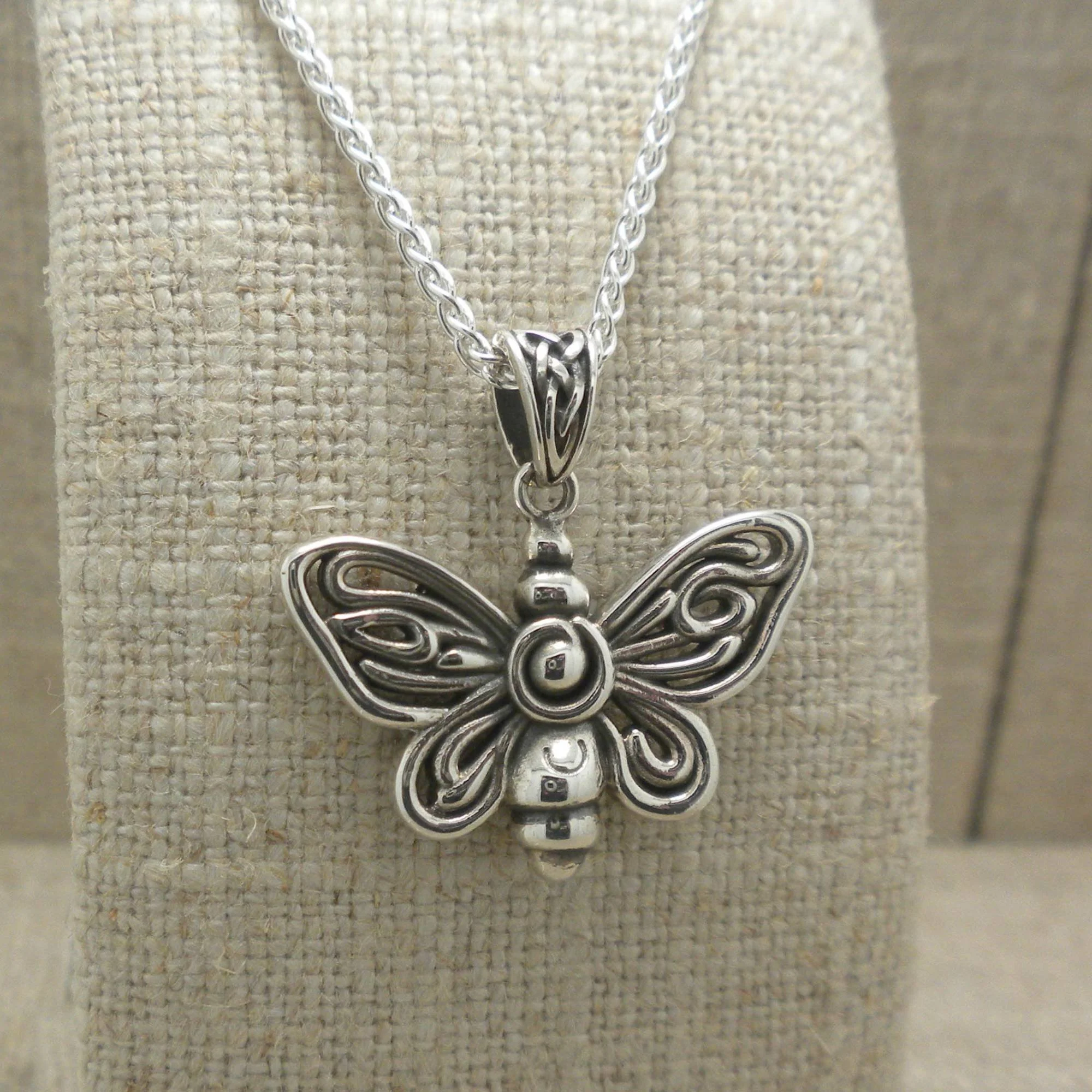
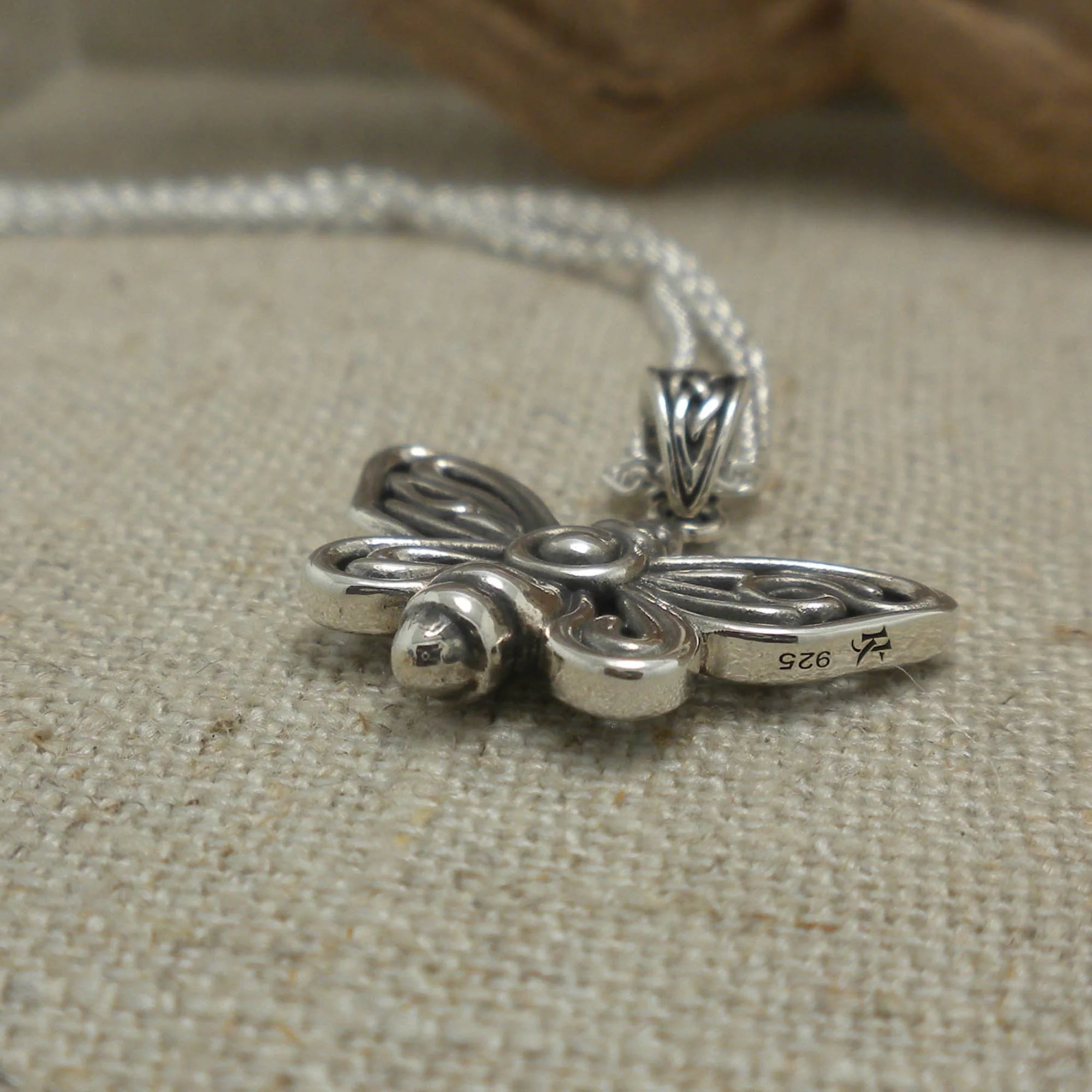
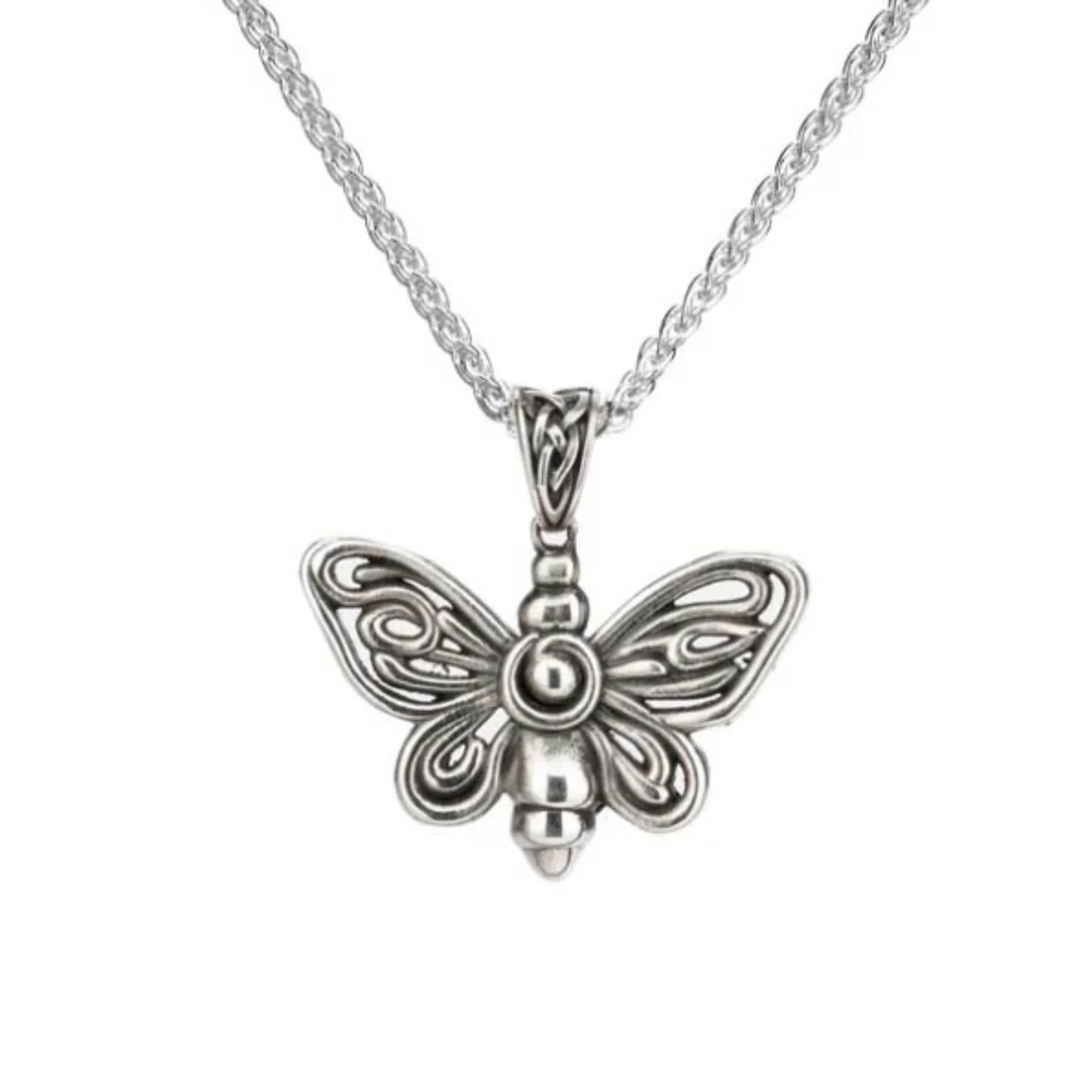
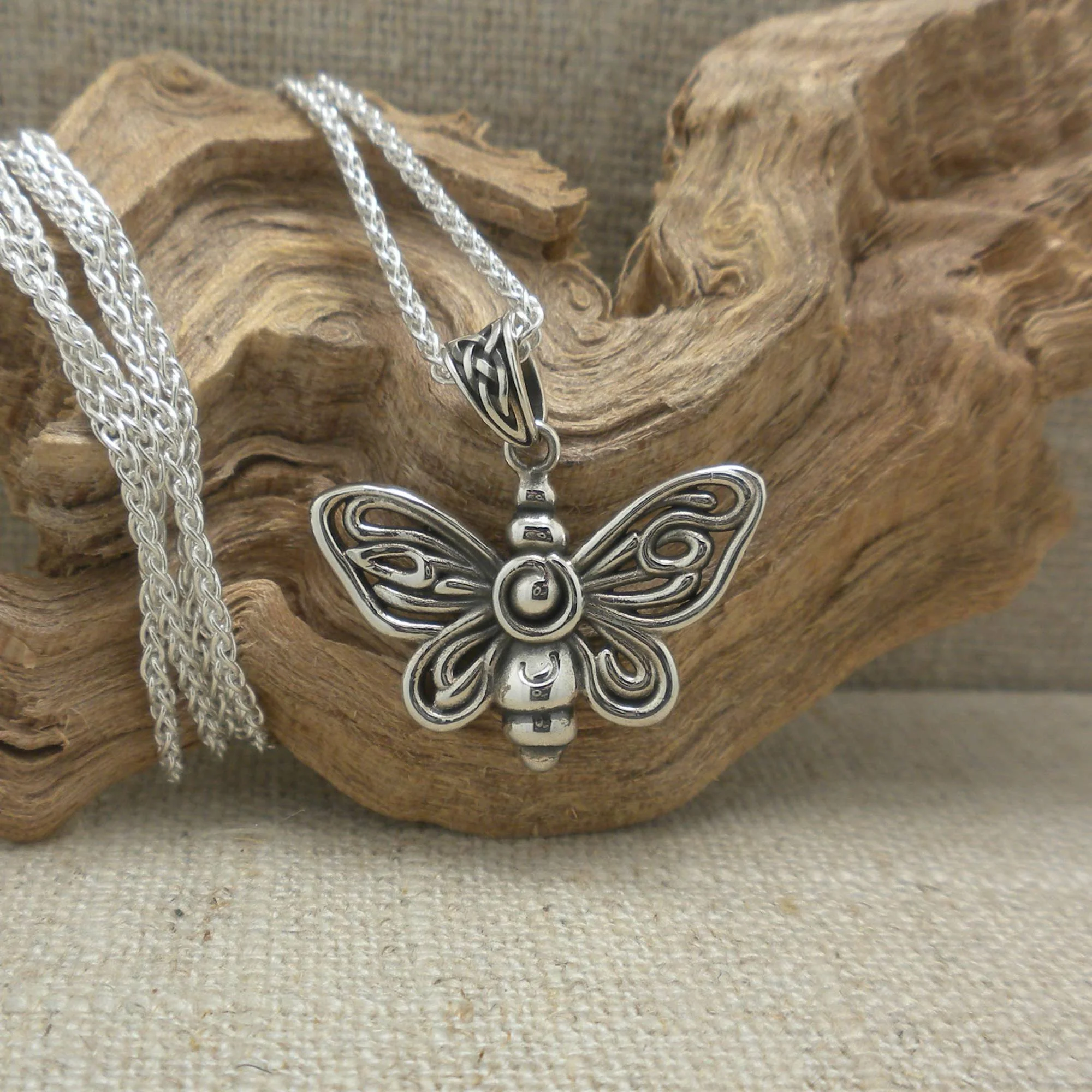
Interlacing knots integrated into the wings to show continuity and eternal cycles.
Spiral motifs to emphasize growth and inward/outward movement.
Triquetra or triskele elements combined with the butterfly to layer meanings of triplicity (life-death-rebirth; land-sea-sky; past-present-future).
Stylized natural forms (leaves, vines) to connect the insect with the broader natural world.