 Image 1 of 3
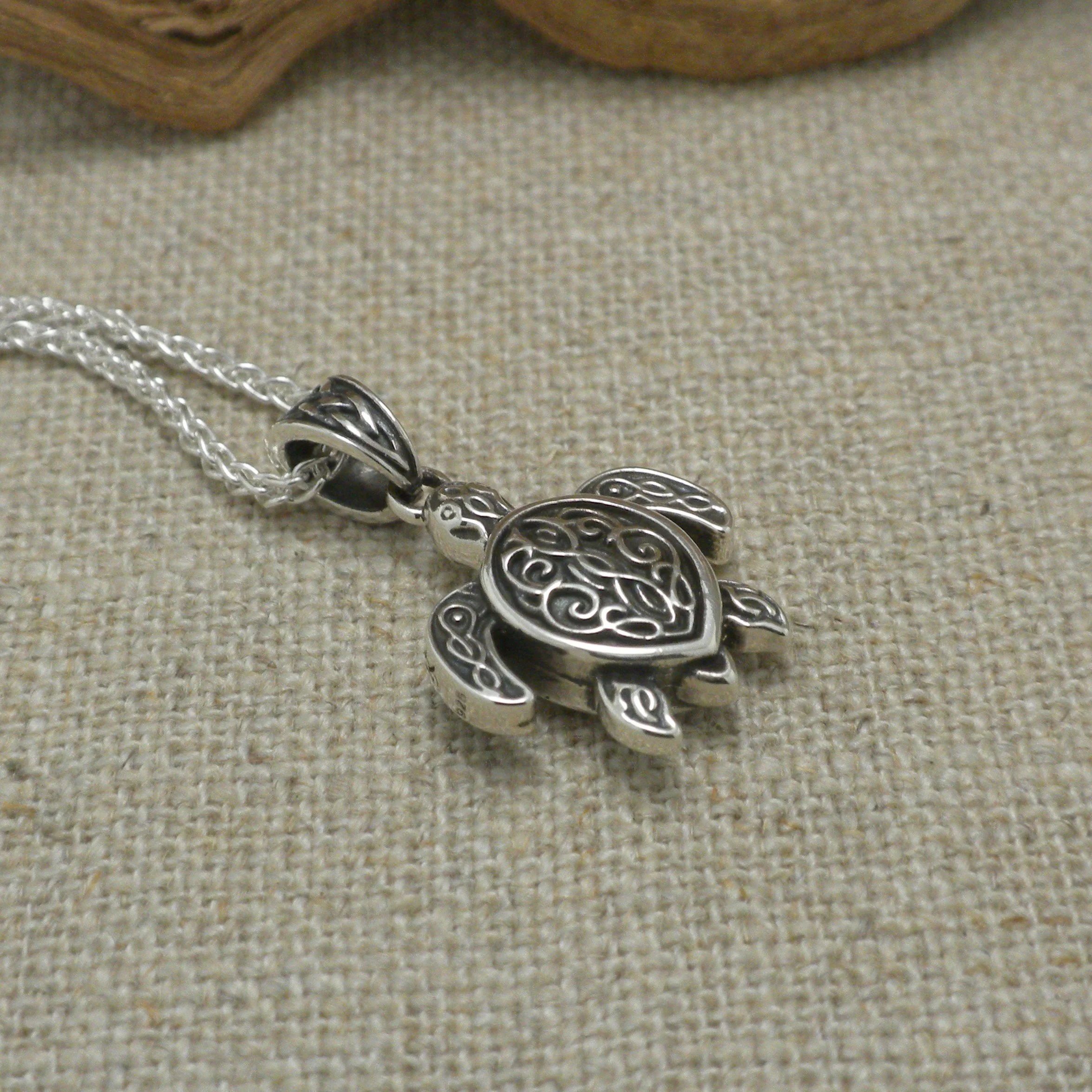 Image 2 of 3
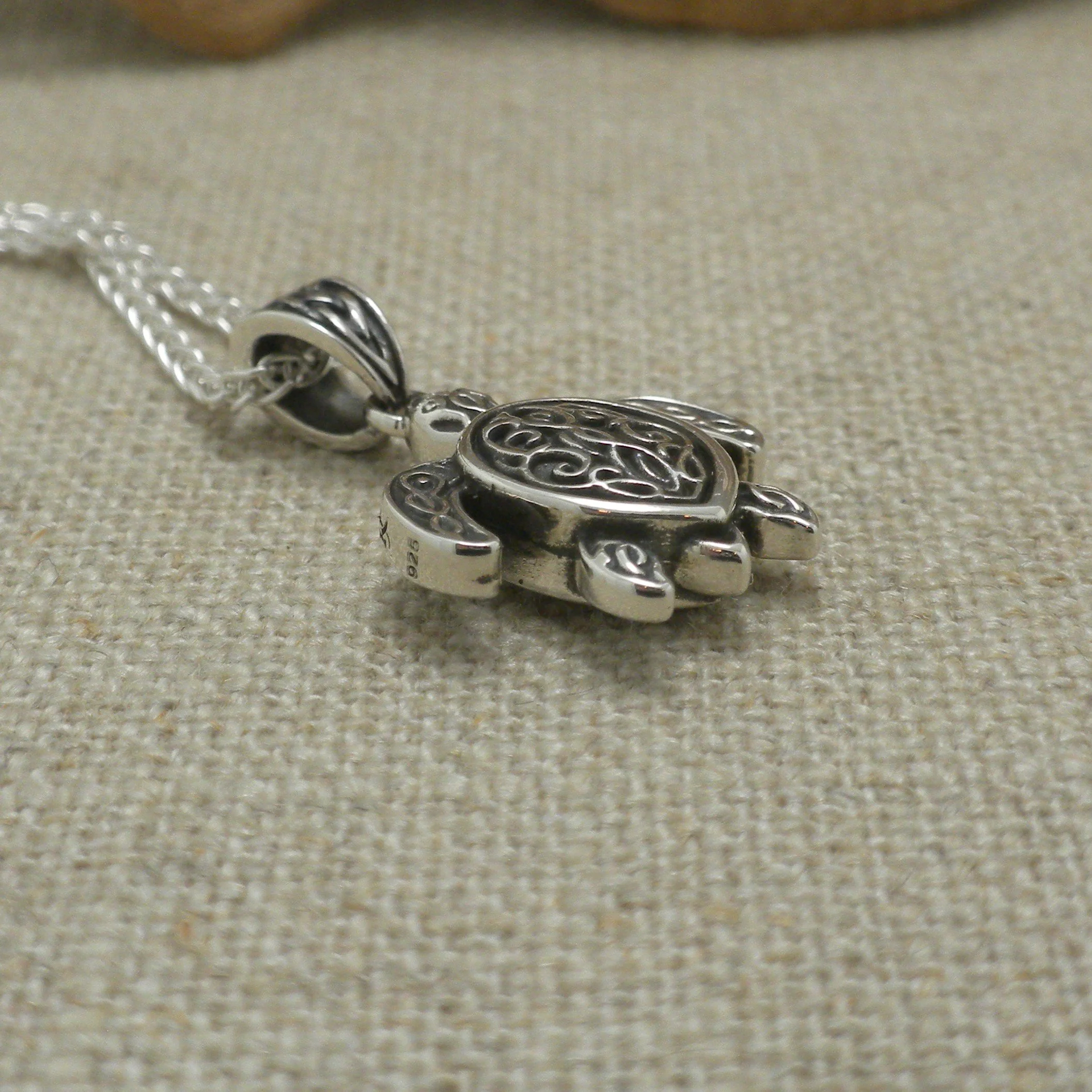 Image 3 of 3
Celtic turtles carry layered symbolism that blends general turtle meanings (longevity, protection, steadiness) with motifs from Celtic art, myth, and worldview. Key themes include:
Longevity and endurance
Turtles’ slow, long lives make them natural symbols of longevity, resilience, and the slow, steady progress valued in many Celtic tales and proverbs.
Protection and home
The shell represents shelter and sanctuary. In a Celtic context this links to ideas of kinship, community, and the importance of safe, sacred spaces (both physical and spiritual).
Wisdom and patience
Turtles embody measured movement and deliberation; they suggest wise timing and patience, virtues often praised in Celtic storytelling and moral teaching.
Connection to the earth and water
Turtles bridge land and water, so they symbolize liminality and balance between elements. Celtic spirituality, which often honors natural forces and the meeting of worlds, uses such creatures to represent harmony between contrasting realms.
Cycles and continuity
The turtle’s slow rhythms and long life evoke cyclical time—seasons, generations, and the continuity of tradition—resonant with Celtic emphasis on ancestry and recurring motifs.
Guardian of mysteries and the Otherworld
In Celtic and broader Irish/Celtic-influenced lore, animals that live between worlds frequently function as guides or guardians. A turtle can symbolize a keeper of hidden knowledge or a protector on spiritual journeys.
Interlacing and knotwork associations
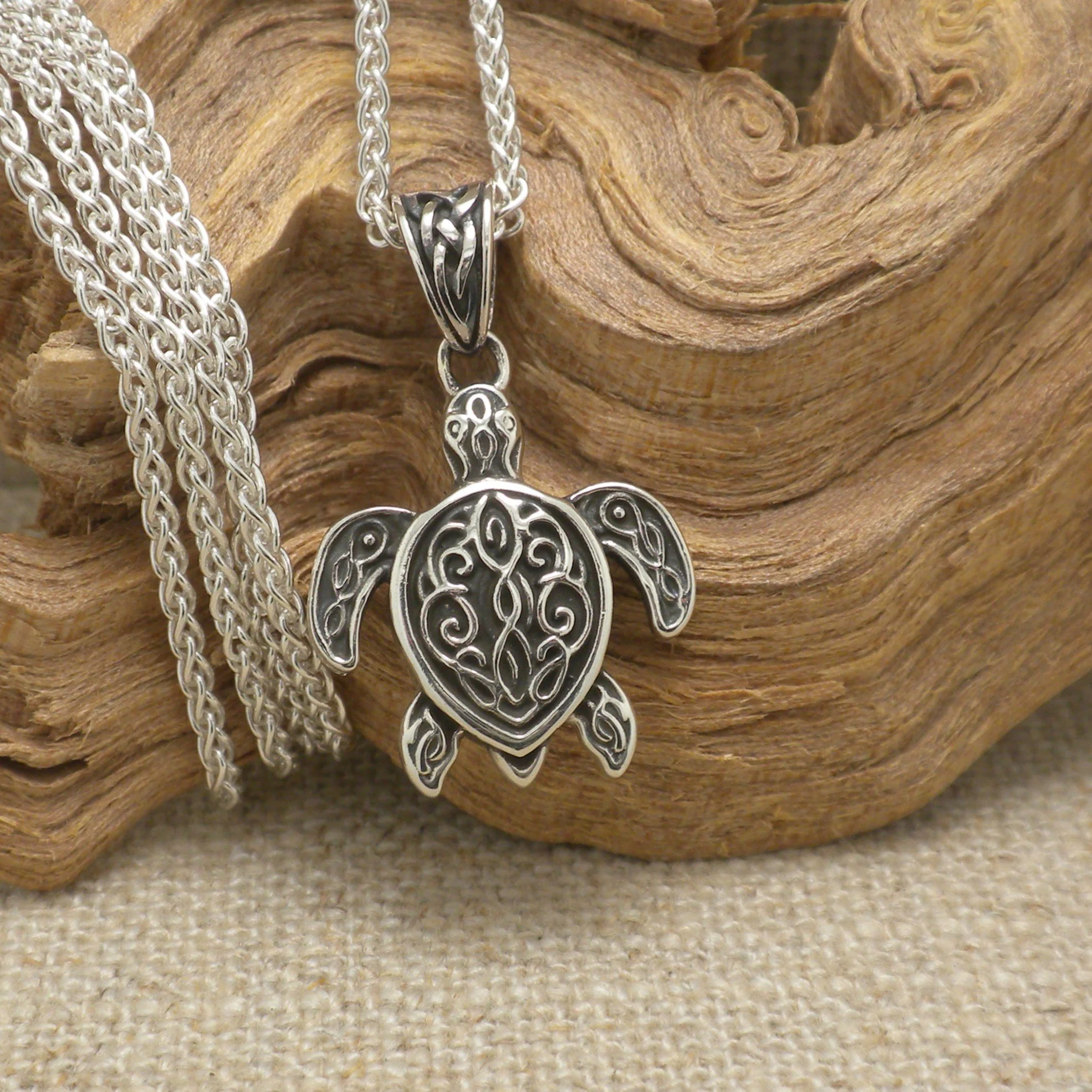
When depicted in Celtic knot style, turtle imagery emphasizes interconnection: the unity of life, the endlessness of lineage, and the intertwined nature of fate and family.
Regional variations and artistic interpretations mean specific meanings can shift—some carvings or modern designs stress protection and home, others focus on endurance or spiritual guardianship. Overall, Celtic turtles are rich symbols of steadiness, shelter, balance between worlds, and the long view of life.