 Image 1 of 2
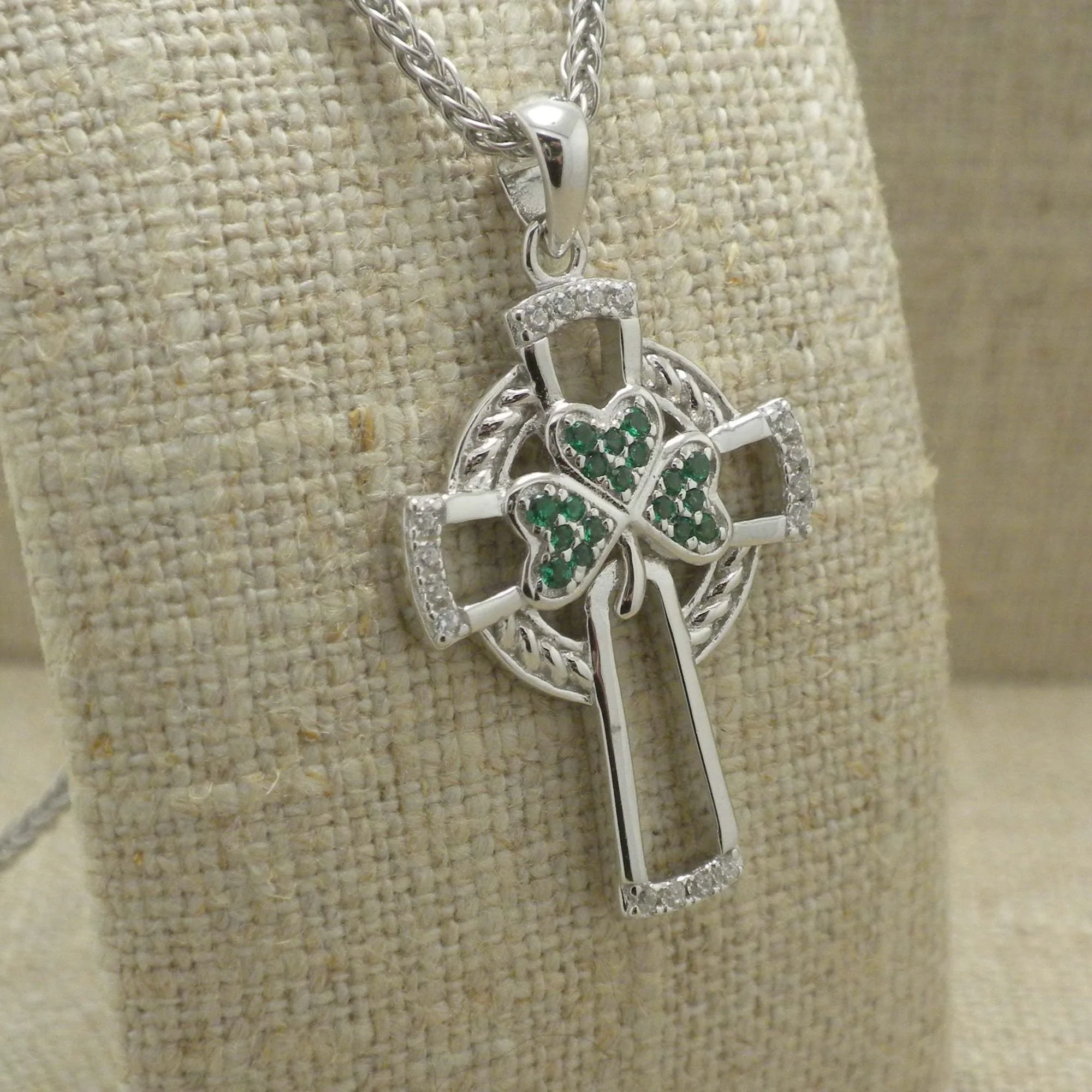 Image 2 of 2
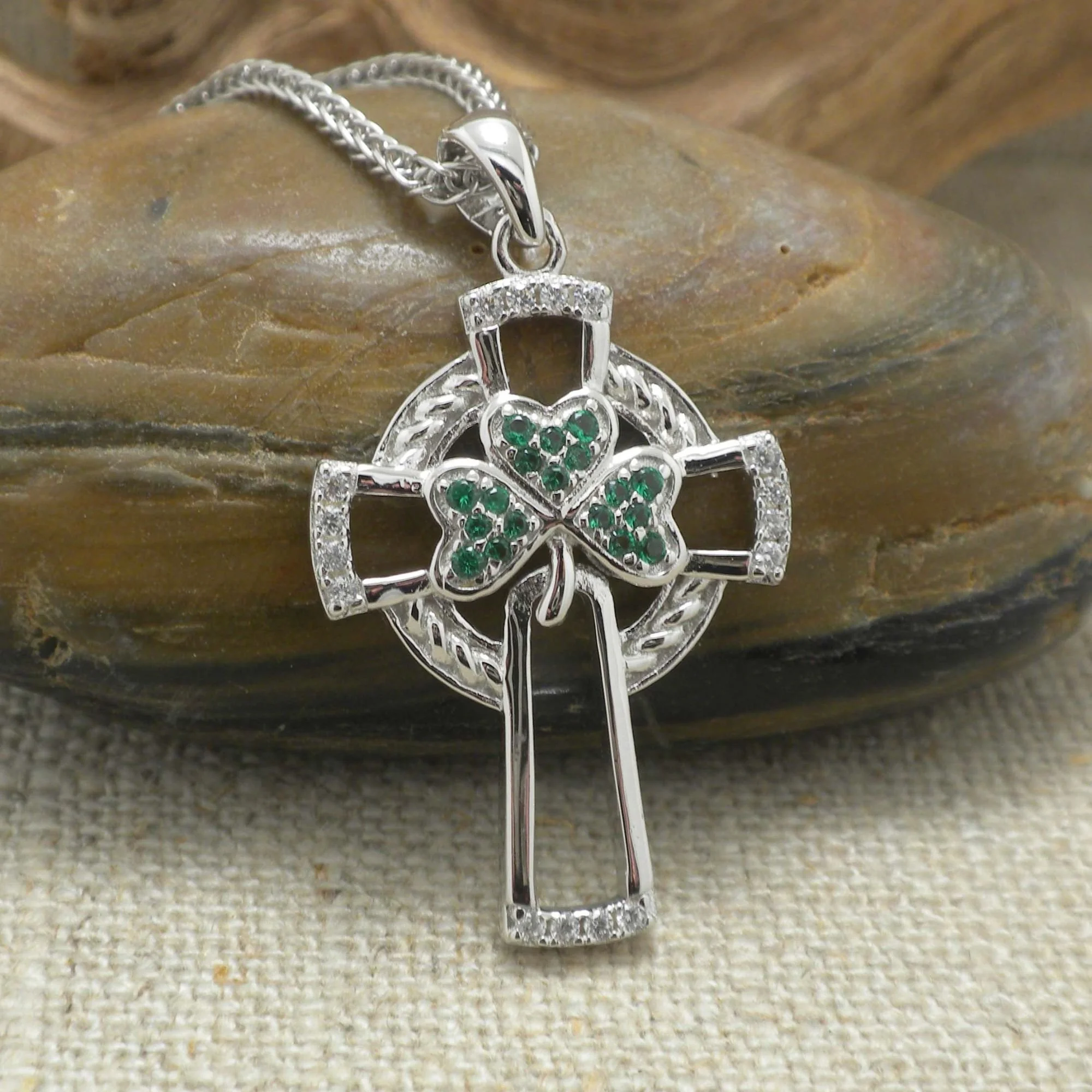
Celtic crosses combine the Christian cross with a distinctive ring or nimbus at the intersection, creating a symbol that is both devotional and richly decorative. Originating in early medieval Ireland and Britain, these monuments were carved in stone as high crosses, often marking sacred sites, commemorating individuals, or serving as teaching tools with biblical scenes and interlaced patterns. Characterized by intricate knotwork, spirals, and zoomorphic motifs, the designs reflect a blending of Christian iconography with older Celtic artistic traditions. Today the Celtic cross endures as a powerful emblem of faith, heritage, and cultural identity, appearing in cemeteries, jewelry, and public art, and evoking a deep sense of continuity between past and present.
The shamrock, a small three-leafed clover, is one of Ireland’s most recognized symbols. Traditionally associated with Saint Patrick, who used the three leaves to explain the Christian Trinity, the shamrock also represents good fortune, rebirth, and the coming of spring.