 Image 1 of 2
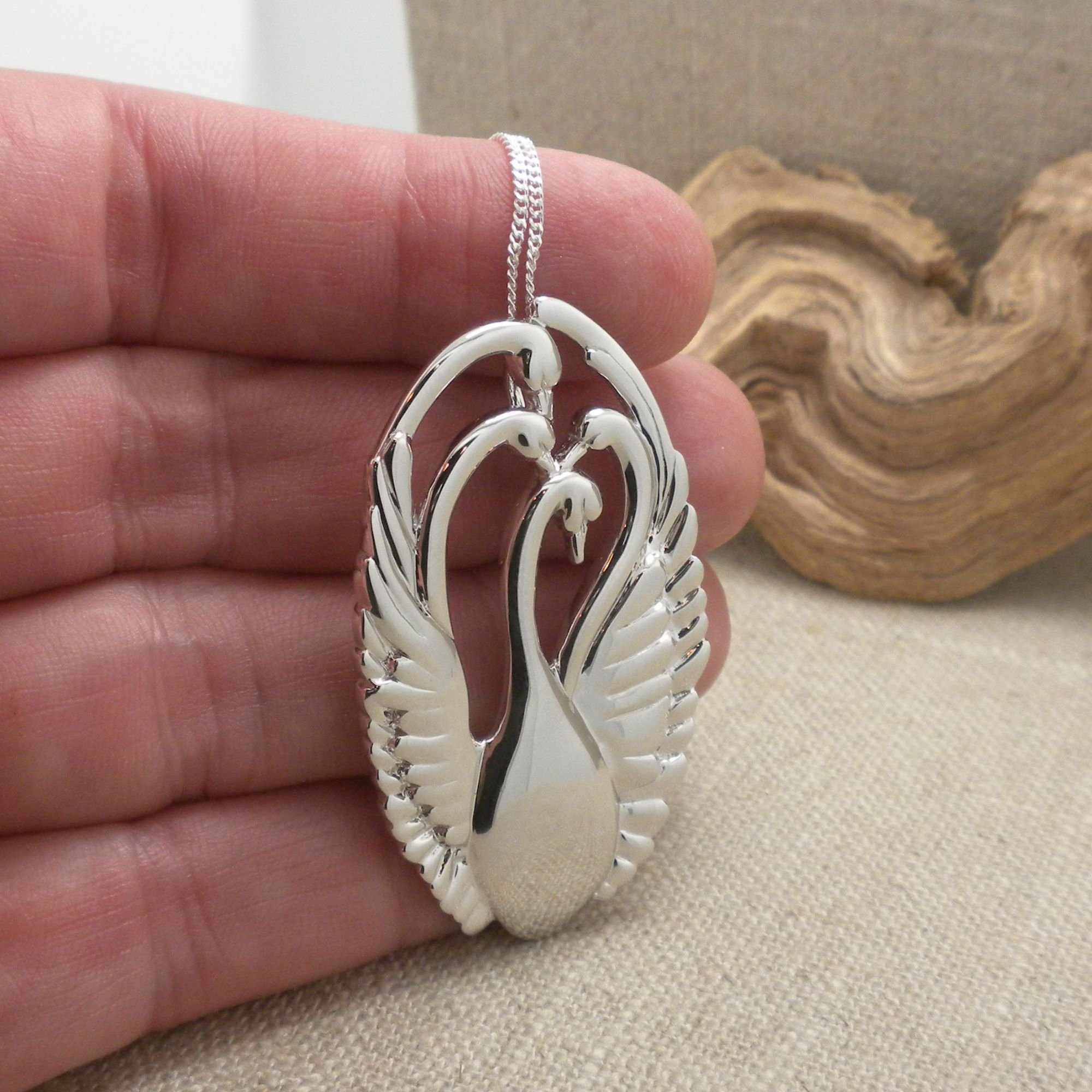 Image 2 of 2
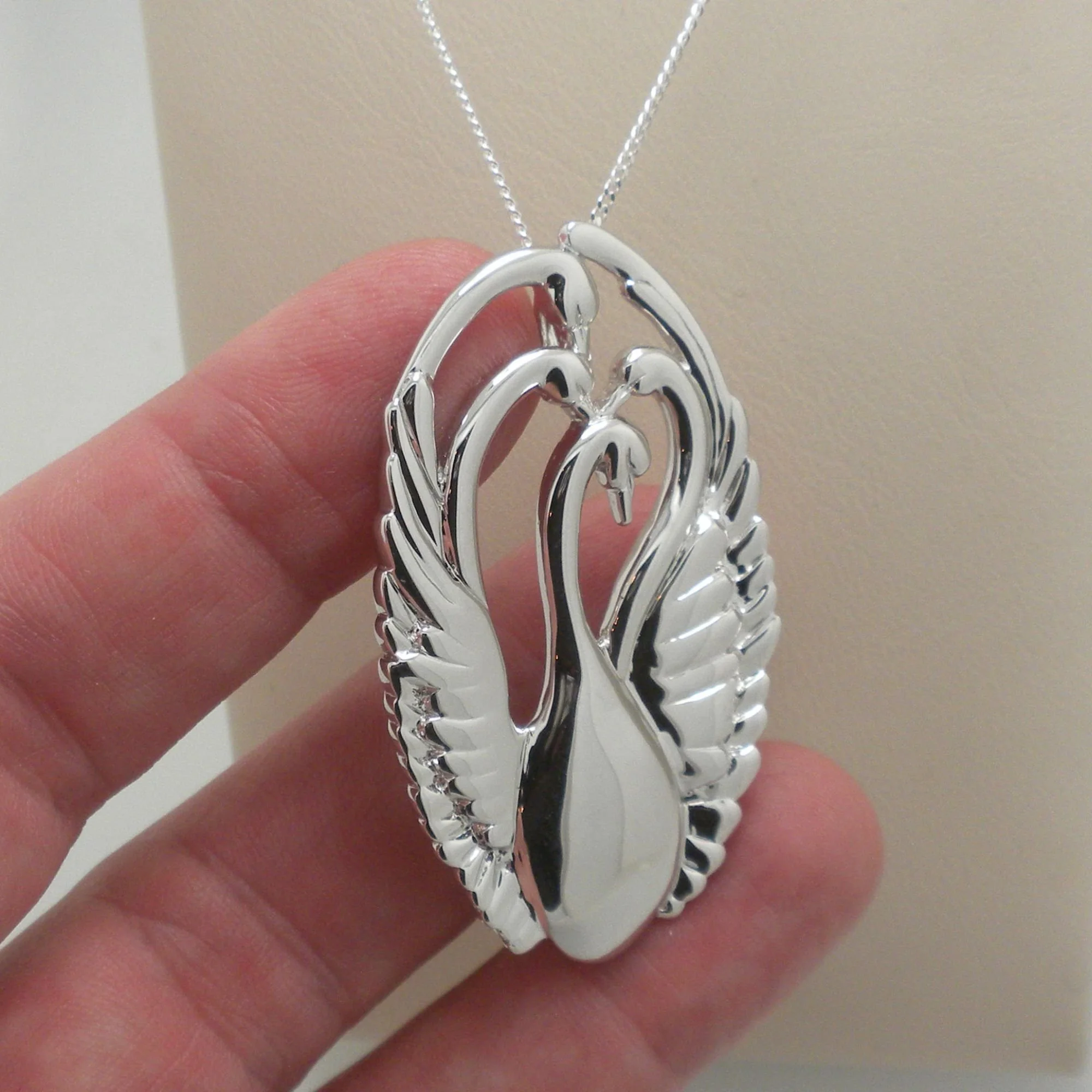
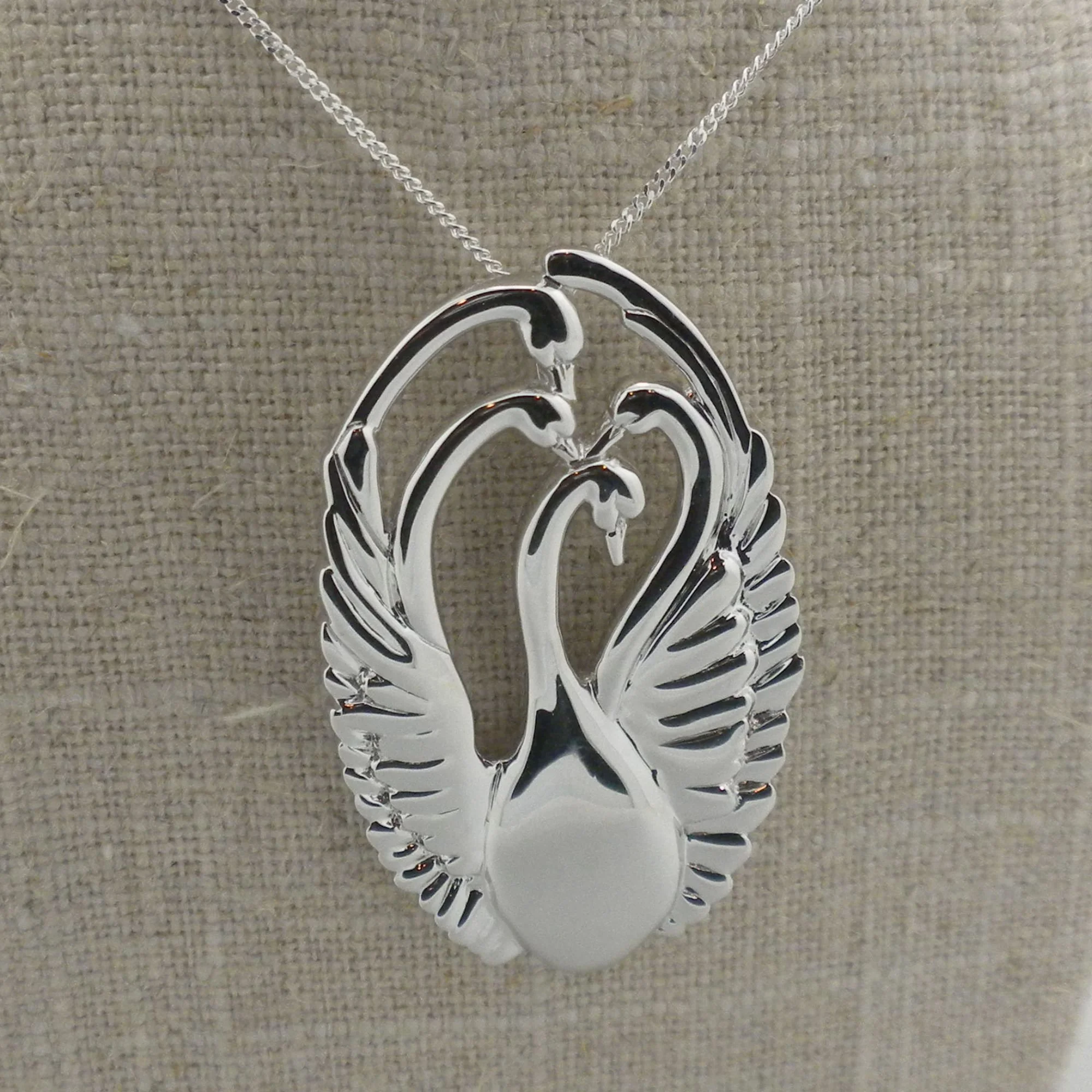
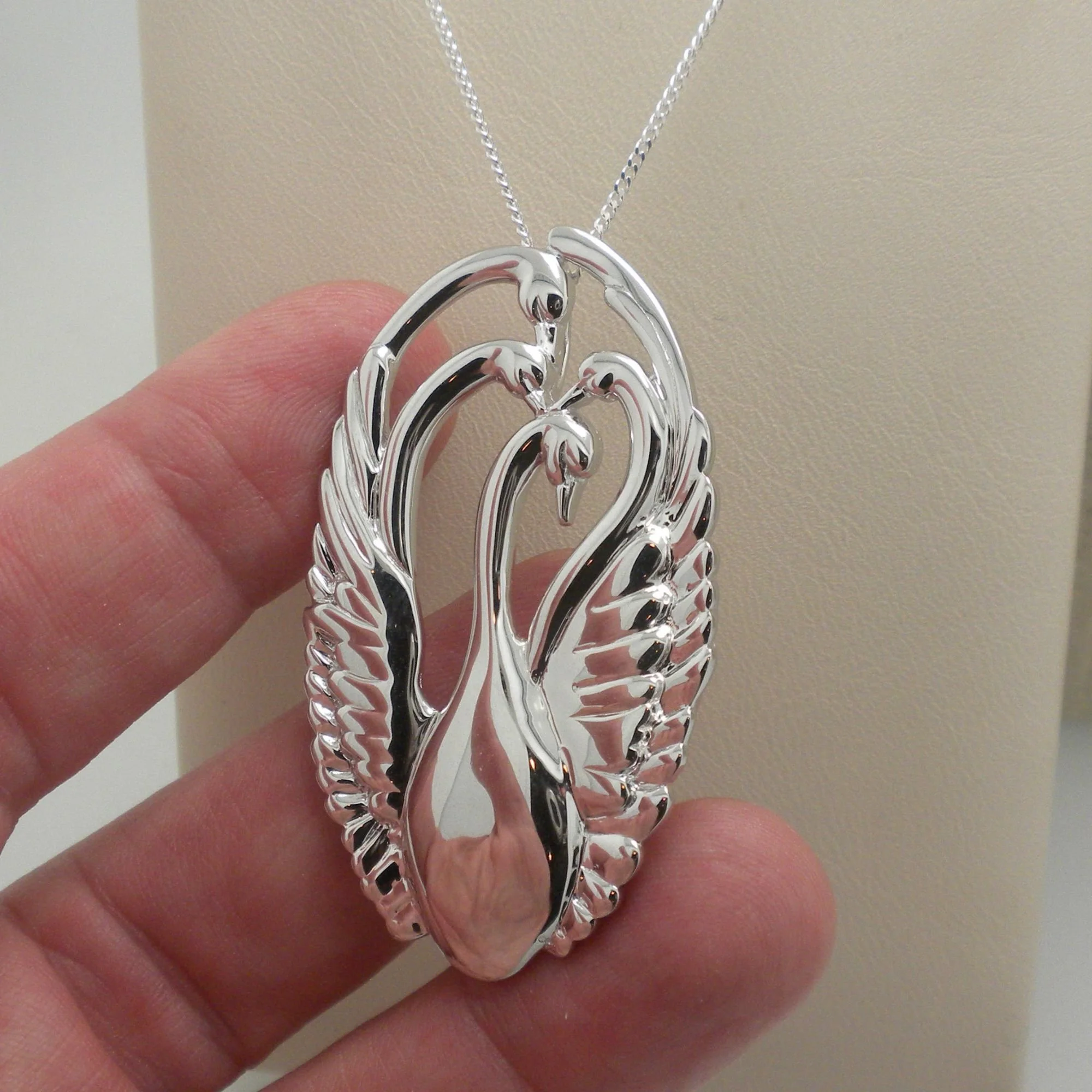
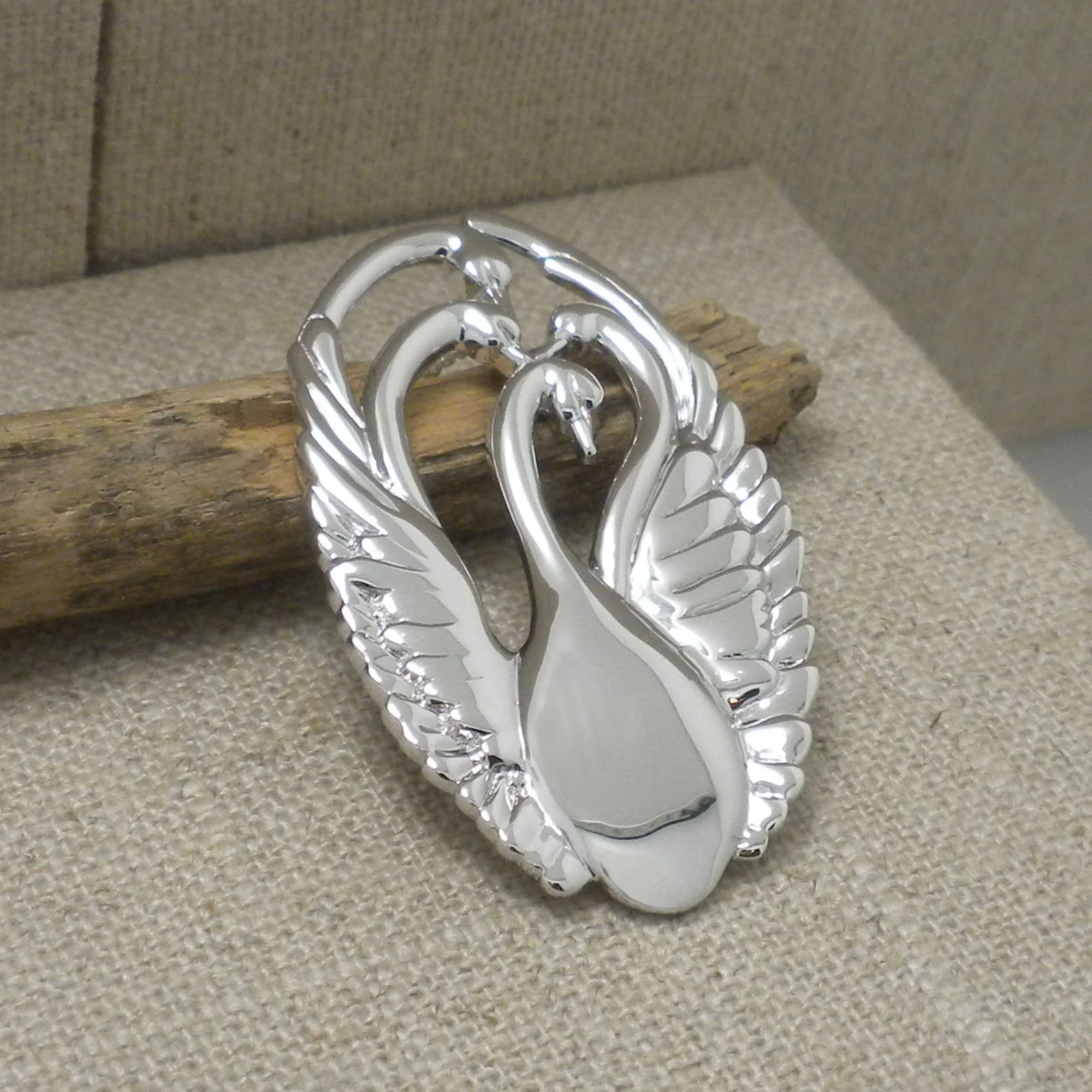
The story of the Children of Lir is one of the most famous and tragic tales from Irish mythology, found in the Lebor Gabála Érenn (The Book of the Taking of Ireland) and other medieval manuscripts.
Lir was a great king of the Tuatha Dé Danann, the mythical people of ancient Ireland. He had four beloved children: three sons named Fionnuala, Aodh, and Fiachra, and a daughter named Fionnuala (sometimes the daughter’s name varies). After the death of their mother, the children were left in the care of their stepmother, Aoife.
Aoife became jealous of the children’s affection for Lir and their bond with him. Driven by envy, she used witchcraft to transform the four children into swans. A curse was placed on them, condemning them to spend 900 years in this form. Their time was divided into three cycles of 300 years: the first on Lake Derravaragh, the second on the Sea of Moyle, and the third on the waters of the Isle of Inis Glora.
Throughout these centuries, the children retained their human souls and voices, lamenting their fate but singing beautiful songs that touched the hearts of those who heard them. Despite their tragic transformation, they remained bound by love and hope for eventual redemption.
After the long passage of time, the curse was lifted by the arrival of a Christian saint, who baptized the swans. With the breaking of the spell, the children turned back into humans. However, they were so old that they died shortly afterward, their souls finally freed from the curse.
The Children of Lir is a story of love, loss, jealousy, and the enduring power of hope. It reflects themes of transformation and redemption deeply embedded in Irish folklore, marking it as a timeless and poignant tale in Celtic tradition.